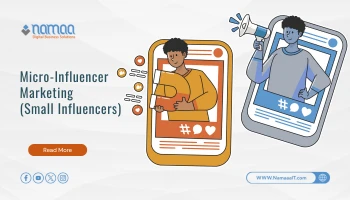


Traditional advertising faces declining consumer trust in overt ads. Today’s audience seeks authenticity and genuine connections, pushing brands to redirect budgets toward niche communities. Micro‑influencer marketing (small creators) is the most effective response. This approach prioritizes high engagement rates and specialized authority over massive follower counts. It ensures marketing messages reach targeted audiences, delivering better, more realistic ROI than broad campaigns. Micro‑influencers achieve 3.86% engagement rates vs. 1.21% for mega‑influencers.
What Is Micro‑Influencer Marketing and How Does It Work?
Micro‑influencers are content creators with 10,000–100,000 followers on social platforms, distinguished by niche expertise. They focus on intimate, authentic relationships with engaged audiences, yielding much higher interaction rates than big influencers. Marketing works through collaborations on promotional content or honest reviews, where brands leverage trusted voices to build credibility and drive purchases more effectively. Over 90% of consumers trust micro‑influencer recommendations over ads.
Starting a Micro‑Influencer Marketing Plan: Simple Steps
Launch effective partnerships with small influencers using a clear plan to maximize your investment:
- Define campaign goals: awareness or direct sales to shape content type.
- Choose the right platform: Instagram for visuals, TikTok for quick content.
- Find aligned influencers: match brand values and audience.
- Craft compelling stories: finalize with brand‑fit narratives before launch and track results.
Learn more: CRO with A/B testing
5 Ways to Select the Best Micro‑Influencer for Your Brand
Avoid follower count obsession. Apply deeper evaluation criteria:
- Audience alignment: ensure demographics and interests match your target.
- Real engagement rate: analyze likes, comments, shares vs. followers to spot fakes.
- Content quality and brand values: professional style fitting your personality.
- Authenticity and credibility: genuine opinions, no conflicting promotions.
- Past collaborations: review history for no recent competitor work.
Strategies to Measure ROI from Micro‑Influencer Partnerships
ROI measurement justifies budgets. Use clear tactics: track conversion via unique promo codes or affiliate links per influencer. For awareness, monitor reach, impressions, and engagement rate. Compare direct revenue from codes/links against total partnership cost for true ROI per collaboration. Micro‑influencer campaigns often yield $6.50–$8 per $1 spent.
Secrets to Micro‑Influencer Success on Instagram and TikTok
Success on Instagram and TikTok leverages each platform’s nature. On Instagram, use Stories for "swipe up" to link directly to products or checkout, turning interaction into instant sales.
TikTok demands authentic, unpolished content avoiding overt ads. Influencers should showcase creative, entertaining product use tied to challenges or trends for viral spread. Creativity and genuineness are key on these visual platforms.
Read more: Mobile‑First UX / PWA importance
7 Tools to Find Local Micro‑Influencers in Your Region
Narrow searches to local creators with these specialized tools and methods:
- HypeAuditor: deep audience quality scores, filter by location/country.
- Awario: social media alerts for keywords/hashtags revealing niche influencers.
- BuzzSumo: dedicated "influencers & outreach" section for local discovery.
- Afluencer: filters by geography and target category.
- Storyclash: free tool spotting recent brand/keyword mentions on Instagram.
- Geotags: manual Instagram search for city/region tags.
- Local niche hashtags: combine industry + location (e.g., #RiyadhBeautyReviews).
Best Times to Launch Micro‑Influencer Campaigns for Maximum Reach
Maximize reach by timing launches with audience peak activity. Thursdays and Fridays before weekends often show highest promotional engagement. Sundays work well in Arab markets during relaxed times.
On weekdays, post between 6–9 PM local time. Analyze each influencer’s analytics for custom peaks, ensuring content tops followers’ feeds amid post volume.
Learn more: Social commerce
Niche Audience Targeting: Micro‑Influencers' Power
Micro‑influencers excel at penetrating niche markets. This marketing ensures messages reach small but highly interested groups. Unlike broad mega‑influencers, micros hold real authority in specialties like advanced camping gear or organic beauty. This focus minimizes budget waste, as each interaction comes from high‑intent prospects trusting the expert’s opinion. 82% of consumers follow micro‑influencer purchase recommendations.
When to Use Micro‑Influencers Over Paid Ads?
Choose micros over paid ads when building long‑term trust and credibility. Ads excel at quick reach and instant sales but lack the human touch.
Micros deliver authentic content seen as friend recommendations, not ads. Ideal for products needing deep explanation like training programs or new tech, where specialist reviews convince buyers.
FAQs
Do I need formal contracts with micro‑influencers?
Yes, written agreements outline expectations, IP rights for content, and legal disclosure (#ad) to protect both parties.
Can I repurpose micro‑influencer content on my channels?
Yes, if the contract clearly grants usage rights across your channels for a set or perpetual period.
How to handle negative comments on influencer posts?
Agree upfront on protocols: polite, transparent, quick replies addressing concerns directly.
Most common payment for micros: flat fee or commission?
Flat fees for content creation, often plus small affiliate commissions to incentivize performance.
How long does a typical micro‑influencer campaign last?
Usually 2–8 weeks for sustained engagement, with results tracked for months post‑launch.
Conclusion
✓ Micro‑influencers achieve 3.8% engagement rates, ~200–300% higher than mega‑influencers.
✓ Over 90% of consumers trust micro‑influencer recommendations more than traditional ads.
✓ Micro‑influencer spending yields average ROI of $5.2–$8 per $1 invested.
✓ 82% of consumers buy after niche micro‑influencer recommendations.
✓ Micro collaborations cost ~60% less than mega‑influencers on average.